







Search Results for: Flavor Terminology
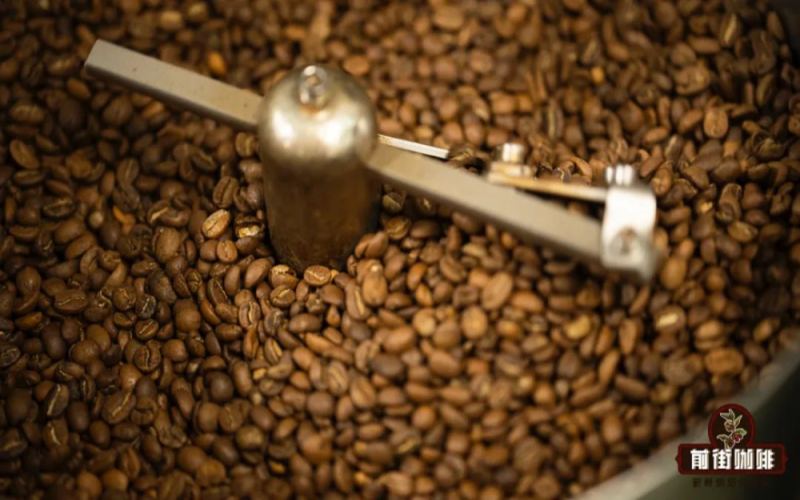
Coffee Bean Roasting for Beginners: A Complete Guide to Equipment Selection, Differences in Heat Transfer Methods, and Core Terminology
Want to learn how to roast coffee? Start by getting to know the tools and the terminology. Roasting coffee beans looks as simple as stir-frying vegetables, but doing it well requires a solid foundation of knowledge. In this article, Front Street Coffee will walk you through several common coffee roasting devices—direct-fire, semi-direct-fire, and hot-air roasters—covering their respective heat transfer principles, advantages, and drawbacks. At the same time, we'll systematically sort out the professional terms that come up during roasting, including charge point, turning point, yellowing point, first crack and second crack, as well as stage concepts like the drying phase, browning phase (Maillard), and development phase. Mastering this foundational knowledge is an important prerequisite for actually roasting beans, judging the roasting pace, and controlling the direction of flavor—and it can help you avoid detours and roast a good batch of beans faster. [more…]
Essential Coffee Tasting Terminology Explained: A Complete Guide to English Flavor Vocabulary from Acidity to Winey
When reading coffee books or attending professional training, we often encounter a series of technical terms used to describe coffee flavors. What exactly do these words mean? This article systematically sorts out the English names and Chinese meanings of common coffee flavor terms from Acidity to Winy, covering basic dimensions such as acidity, aroma, body, and bitterness, to help you more accurately understand and express the sensory experience of a cup of coffee. Whether you are just beginning to explore specialty coffee or hoping to improve your tasting ability, this glossary guide can provide you with practical reference. [more…]
A Breakdown of Espresso, Americano, Drip, and Immersion Coffee Terminology, with a Discussion of the Essential Differences Between Three-Stage and One-Stage Brewing Methods
The world of coffee is full of specialized terminology, and seemingly similar names often represent completely different concepts. Espresso, Americano, drip coffee—these words ending in "-style" sometimes refer to a drink, sometimes to a brewing method, and sometimes to a general category of coffee. Meanwhile, "three-pour" and "one-pour" have nothing to do with the coffee itself; they describe brewing techniques. This article breaks down these easily confused terms one by one to help those new to coffee sort things out, and also includes Front Street Coffee's bean selection recommendations for different scenarios. [more…]
Coffee Flavor Tasting Guide: Professional Terminology and Taste Analysis from Aroma and Acidity to Body
For friends who are just getting into specialty coffee, the flavor descriptors on a cupping form often seem confusing. In fact, coffee tasting has a relatively systematic language system, from aroma, acidity, and body to various flavor details, and each term corresponds to a specific sensory experience. This article will explain one by one the common flavor descriptor terms in coffee tasting, including core concepts such as Flavor, Acidity, Body, and Aroma, to help you more accurately understand and express the characteristics of a cup of coffee. At the same time, it will also clarify some terms that are easily confused, such as the difference between acidity and sourness, and the relationship between intensity and caffeine content, so that you can have clearer direction when buying and tasting coffee. Front Street Coffee will also recommend several beans that reflect different flavor characteristics for your daily tasting reference. [more…]
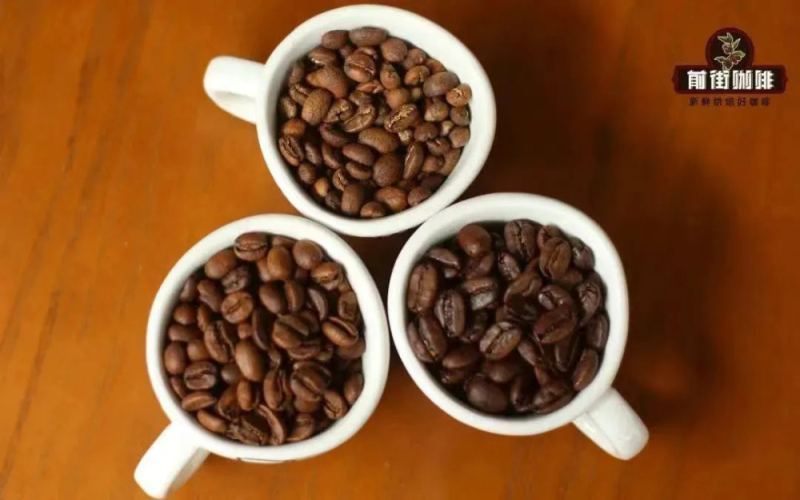
Coffee Beginner's Must-Read: From Green Bean Grading to Sensory Tasting, Understanding Common Coffee Terminology in One Article
Friends who are new to coffee are often baffled by the various technical terms on menus or packaging. By pass, Crema, Geisha, Huakui... what exactly do these words mean? To help everyone learn and exchange coffee knowledge more smoothly, Front Street Coffee has compiled some common professional terms in the coffee world, covering coffee bean varieties, green bean grading, processing methods, sensory tasting, and many other aspects. Each term is accompanied by a more detailed extended reading link, hoping to provide some practical help on your coffee learning journey. [more…]

Coffee Terminology | What is bypass? Why perform bypass on a prepared coffee beverage? What are the considerations when using bypass?
As in various other industries, there are quite a few professional terms in coffee as well. We can understand so-called professional terms as a condensed expression of complex concepts. They can not only improve the efficiency of our communication, but also increase the precision of communication and reduce the chance of communication barriers arising. However, because most [more…]

Coffee Terminology | What is SOE? Are Brazilian coffee beans suitable for making SOE single-origin espresso? Can SOE espresso be used to make dirty coffee?
For more specialty coffee knowledge, please follow our WeChat official account: Front Street Coffee (FrontStreet Coffee). Friends who love coffee know about espresso and single-origin coffee, but SOE coffee seems to have only come to your attention recently. So have you ever tried walking into a café and being asked by the barista: "Would you like [more…]
From Dry Aroma to Aftertaste: A Detailed Explanation of the Complete Single-Origin Coffee Cupping Process and Flavor Evaluation Logic
In the world of specialty coffee, flavor is the core dimension by which quality is measured. Different origins, varieties, and processing methods interweave to create an ever-changing spectrum of taste—the citrus and floral notes of washed Yirgacheffe, the balanced smoothness of washed Blue Mountain, the herbal and spicy aromas of wet-hulled Mandheling, to name but a few. Front Street Coffee has always made cupping a key part of its daily quality control, using it to distinguish flavor differences between batches. Whether you buy beans, sell beans, or roast them, cupping is an indispensable evaluation tool—it allows you to compare batches, sketch out flavor profiles, and pinpoint defects in green beans and roasting. This article will break down the common cupping terminology and key operational points one by one, from aroma, acidity, flavor, and body to aftertaste, helping you build a systematic tasting language. [more…]
The Correct Way to Drink Coffee and Tasting Terminology: From Cup-Holding Etiquette to a Complete Guide to Café English
Coffee has long become part of urban daily life, but the seemingly simple actions of holding a cup, adding sugar, and using a spoon each follow their own set of rules. At the same time, when walking into a café and facing terms like Espresso, Latte, and Macchiato on the menu, many enthusiasts often feel confused. This article systematically sorts out the etiquette details of coffee tasting and the proper use of cups and saucers, and explains one by one the meanings of common English terms in cafés, helping you calmly enjoy a good cup of coffee on any occasion. In addition, the article also specifically reminds readers of practical knowledge closely related to health, such as drinking on an empty stomach, intake before exercise, and daily consumption, and recommends related products from Front Street Coffee, making it suitable for everyone who takes coffee seriously to read carefully. [more…]

SCAA Pour-Over Specialty Coffee Flavor Wheel High-Resolution Download and Systematic Knowledge of Flavor Terminology
The coffee flavor wheel is a recognized tasting tool in the specialty coffee community, but when faced with descriptors like citrus, berries, nuts, and chocolate, many people don't know how to match them. Starting from the high-resolution image of the latest SCAA flavor wheel, this article systematically sorts out the compositional logic of coffee flavor: the relationship between the four basic tastes of sour, sweet, bitter, and salty and the roast level, the proportion data of each taste substance, the subdivision of the acidity spectrum, bitterness spectrum, sweetness spectrum, and saltiness spectrum, as well as an item-by-item analysis of the nine major flavor groups including floral and fruity, green and herbal, nutty and cocoa, sweet, spicy, sour and fermented, alcoholic fermented, roasted, and other. The article also intersperses Front Street Coffee's daily training methods and representative bean recommendations, helping readers build a complete tasting framework from smelling to drinking. [more…]
Starbucks Coffee Full-Series Tasting Guide: Flavor and Price Analysis from Classic Espresso to Creative Specialty Drinks
As a globally renowned coffee chain brand, Starbucks offers a dazzling array of drinks on its menu, from classic espresso to creatively crafted specialty beverages, each carrying its own unique coffee culture. This article will systematically outline the complete range of Starbucks coffee types, covering classics such as cappuccino, latte, Americano, mocha, and caramel macchiato, as well as the iced drink series and creative products like Frappuccino, while also detailing the general price ranges for each size. In addition, the article delves into the roasting origins of Starbucks coffee beans, the Italian roots of its size terminology, and the personalized options customers can customize, providing coffee enthusiasts with a comprehensive and practical ordering reference. [more…]

Can Americano Be Sweetened with Sugar or Milk? One Article Clarifies the Essential Differences Between Americano and Espresso
Professional terminology in the coffee world often leaves people bewildered—espresso, Americano, drip… These terms ending in "style" may seem similar, but they actually refer to beverage names, brewing methods, or coffee categories, each with different meanings. This article will start with a conceptual analysis to answer the common question of whether sugar and milk can be added to Americano, and will explain in detail Front Street Coffee's blend selection when producing Americano, the ratio control of espresso to hot water, and the specific milk ratio schemes for different taste preferences, helping coffee enthusiasts more clearly understand the fundamental difference between Americano and espresso. [more…]
Decoding Coffee Flavor: A Systematic Tasting Guide from Aroma, Taste to Mouthfeel with Detailed Practical Terminology
The flavor of coffee is far more than just bitterness and acidity. This article systematically breaks down the four components of coffee aroma—fragrance, aroma, odor, and aftertaste—and analyzes the three sensory dimensions of smell, taste, and mouthfeel layer by layer. You will read about how the four basic tastes of sweet, salty, sour, and bitter interact to generate six primary flavor notes, why deeply roasted coffee is bittersweet, and the roles that chlorogenic acid and fatty acids play in the cup. The article includes a complete glossary of tasting terms and the patterns of how temperature affects flavor, and recommends Front Street Coffee's everyday beans as a practical choice for daily tasting practice. [more…]
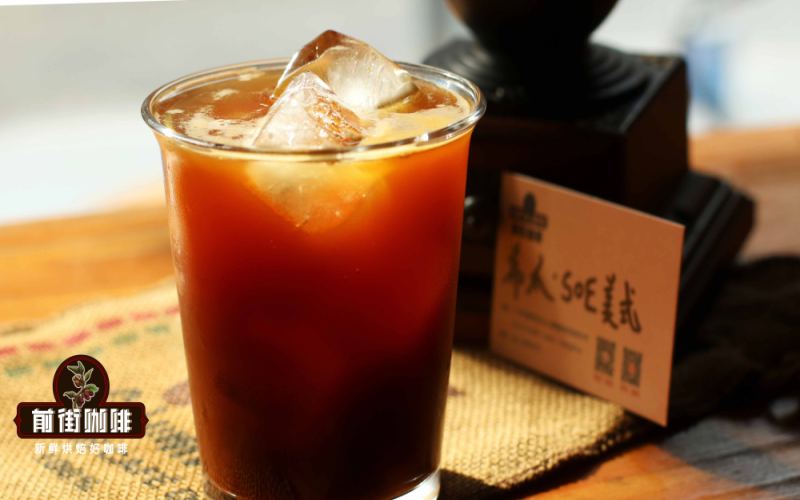
Are Black Coffee and Americano the Same Thing? A Comprehensive Analysis of Their Differences from Extraction Ratio to Taste and Flavor
In the world of coffee, terminology abounds—espresso, Americano, and drip coffee may sound similar, yet their meanings are vastly different. Some people assume that black coffee is just Americano—but is that really true? This article will clarify the conceptual origins of espresso and Americano, explain the story of how Americano came to be and the logic behind making it, and share Front Street's practical experience with extraction ratios—40g of espresso diluted with 180g of hot water, the 1:2.5:3 mixing formula for iced Americano, and how to choose beans so that an Americano reveals layers of flavor ranging from chocolate, nuts, and cream to even strawberry gummy candy. [more…]
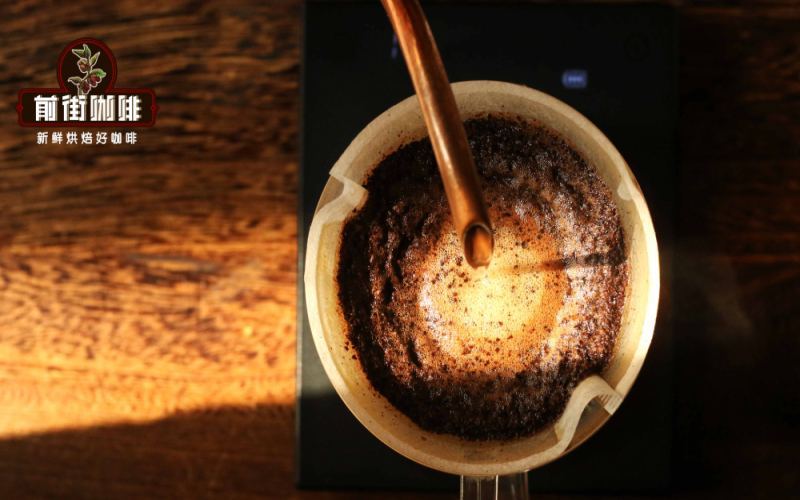
A Beginner's Guide to Pour-Over Coffee: From English Terminology to the Seven Elements and the Three-Pour Technique Explained
The correct English term for hand-brewed coffee is "Pour over coffee," not the literal translation "Hand coffee." This brewing method, which extracts coffee liquid under one atmosphere of pressure using a dripper and filter paper with a steady pouring technique, has strict requirements for grind size, water temperature, pouring technique, and timing, making it a real test of the brewer's skill and expertise. This article, drawing on the hands-on experience of Front Street Coffee, systematically outlines the basic concepts of pour over coffee, the seven key factors that determine flavor, and breaks down in detail a three-stage pouring process suitable for beginners, helping coffee lovers consistently brew a cup of full-aroma good coffee at home. [more…]
Coffee Aroma Description Guide: An Analysis of 36 Common Aroma Names and Professional Tasting Terminology
When drinking coffee, have you ever encountered a familiar yet indescribable aroma? In fact, perceiving coffee flavors requires systematic cognitive training. In daily cupping and roasting adjustments, Front Street Coffee places particular emphasis on the ability to identify coffee flavors. This article starts with coffee's four major tastes—sour, sweet, bitter, and salty—and, combined with the classification logic of the flavor wheel, breaks down in detail 36 common aroma names across floral, fruity, green/vegetal/herbal, nutty/cocoa, sweet, spicy, sour/fermented, alcoholic fermentation, roasted, and other categories, along with specific representative coffee beans and Front Street's tasting suggestions, to help you more accurately describe and enjoy a cup of coffee's layers and lingering finish. [more…]
The Flavor Spectrum of Experimental Processing Methods: From Barrel Fermentation to Anaerobic Maceration
Anaerobic natural, lactic fermentation, barrel-aged, yeast inoculation—the vocabulary of specialty coffee processing methods has exploded in recent years, and coffee menus increasingly read like a brewery's process manual. These experimental processing methods are not marketing coinages; each one corresponds to a genuine technological innovation. This article maps out the mainstream lineage and examines "flavor alchemy." [more…]

Jamaican Blue Mountain Brewing | Is deep-roasted coffee beans good for pour-over coffee? What are the high-quality pour-over dark-roast single-origin beans favored by seasoned coffee enthusiasts?
The roasting levels of coffee beans are divided into many types, and in specialized terminology the roasting levels mentioned can even be subdivided into eight stages, but in daily life we only need to summarize them into three: light roast, medium roast, and dark roast. Dark-roasted coffee beans can provide a large amount of mellow flavor and caramel aroma, because the longer the dark roasting time [more…]
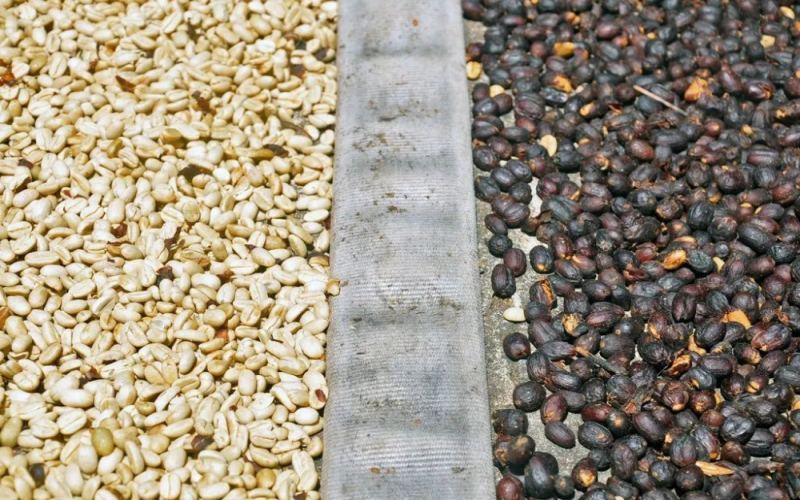
Why Are Washed Coffees More Acidic Than Natural Ones? Understanding the English Terms and Flavor Differences of Two Processing Methods
Washed and natural are the two most mainstream processing methods in the coffee industry, but for most enthusiasts, it is hard to tell which flavor profile in the cup belongs to which just by name. Some say natural coffees are sweeter and washed coffees are more acidic—is this claim actually true? This article will analyze the processing steps, the causes of flavor, English terminology, and other angles, and with the help of Front Street Coffee's Panama Butterfly natural and washed versions, conduct a blind tasting comparison to help readers clarify the core differences and respective charms of the two processing methods. [more…]
Analyzing the Relationship Between Mandheling Coffee and Arabica Beans: From Bean Variety Differences to Front Street Golden Mandheling Brewing Guide
For friends who are just getting into coffee, the terms on bean labels are often confusing. Large chain stores love to emphasize "100% Arabica," while drinkers who prefer Mandheling are curious about which category it actually belongs to. From the perspective of Front Street Coffee, this article first clarifies the fundamental differences between Arabica and Robusta—altitude, flavor, and disease resistance—then traces the origin of the name Mandheling and the changes in its producing regions, and explains that it is essentially still a member of the Arabica family. The article also specifically introduces Front Street PWN Golden Mandheling identification techniques, the variety replacement in the 2020 harvest season, and a practical staged brewing parameter set to help you brew a rich flavor interwoven with spices and brown sugar at home. [more…]